Your Skin Cancer Journey
Start with the question you have today. We will show you what usually comes next.
Find my starting pointFree skin cancer education for patients and clinicians
Where are you today?
You do not have to begin at the beginning. Choose the situation that sounds most like yours.
Your path, from question to confidence
The route adapts to your starting point. Earlier steps remain available if you want more background.
The report names the cancer and starts the treatment map.
Your diagnosis, tumor location, growth pattern, and risk features help determine which treatments fit. You can begin here even if another dermatology office performed the biopsy.
Patient question library
Start with the question in your head
Every answer leads back to the larger journey, so patients can learn one thing or follow the entire path.
Search terms stay in this page and are not saved.
- NoticeDoes this spot need to be checked?Warning signs and the role of a complete skin examination.
- BiopsyWhat does a skin biopsy tell you?What is sampled, what the laboratory examines, and what happens next.
- DiagnosisWhat does my skin biopsy report mean?How report wording can change the treatment plan.
- DiagnosisI have basal cell carcinoma. What are my options?How location, subtype, and risk influence treatment.
- DiagnosisI have squamous cell carcinoma. What are my options?Which features make SCC more urgent or higher risk.
- TreatmentI have melanoma. What are my treatment options?How subtype, depth, stage, anatomy, and margin strategy shape the plan.
- TreatmentI have a rare skin tumor. What are my treatment options?Where DFSP, AFX/PDS, extramammary Paget disease, adnexal carcinoma, and sweat-gland carcinoma fit.
- TreatmentDo I need Mohs surgery?When real-time margin information changes the decision.
- PrepareWhat happens on the day of Mohs surgery?A clear timeline from arrival through reconstruction.
- ReconstructHow will the wound be repaired?Second intention, linear repair, grafts, and local flaps.
- HealWhat will my scar look like?How scars mature and when additional treatment may help.
- PreventHow often should I be checked after skin cancer?Surveillance, prevention, and what family members should know.
No exact match yet. Try a shorter term or browse the full journey above.
11 questions
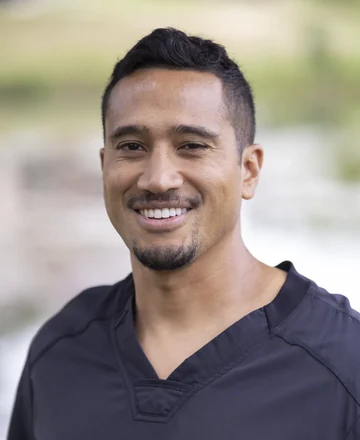
Physician written, patient first
Built to make excellent skin cancer education easier to share.
A free resource for patients and the clinicians who care for them.
Dermatologists and Mohs surgeons may share this journey with patients who want a clear path from a concerning spot through diagnosis, treatment, reconstruction, and follow-up.